

Protect your products,engage your clients.
Anti-counterfeiting solutions built into the product
Embed the Certificate of Authenticity directly into your products, so anyone can verify it with just a tap. Then unlock exclusive experiences.

the problem
Brands face counterfeits worth $467 billion a year, and after the first sale, they lose the relationship with whoever ends up owning their products.
Annual counterfeits by category
the solution
One solution, three benefits.



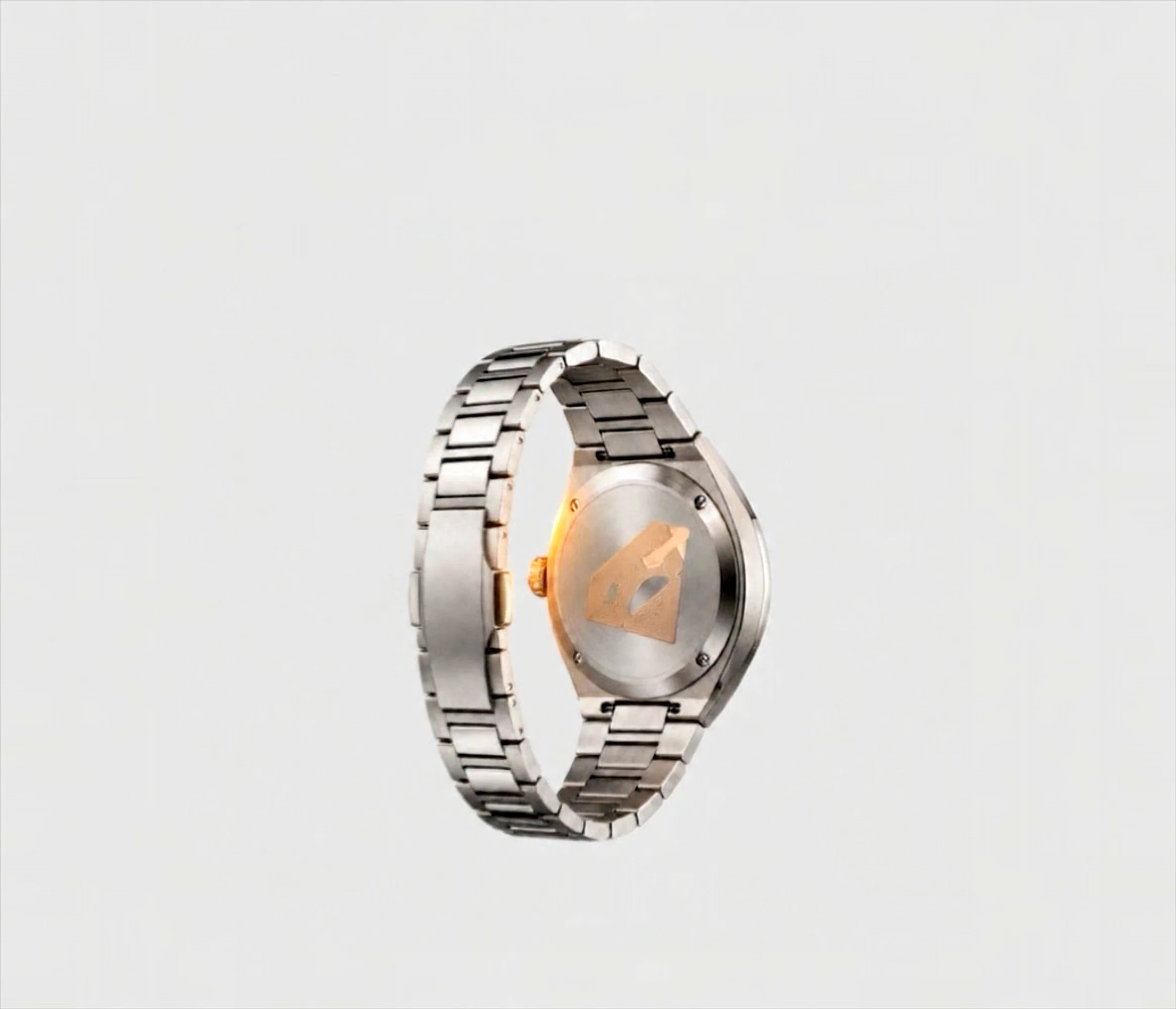
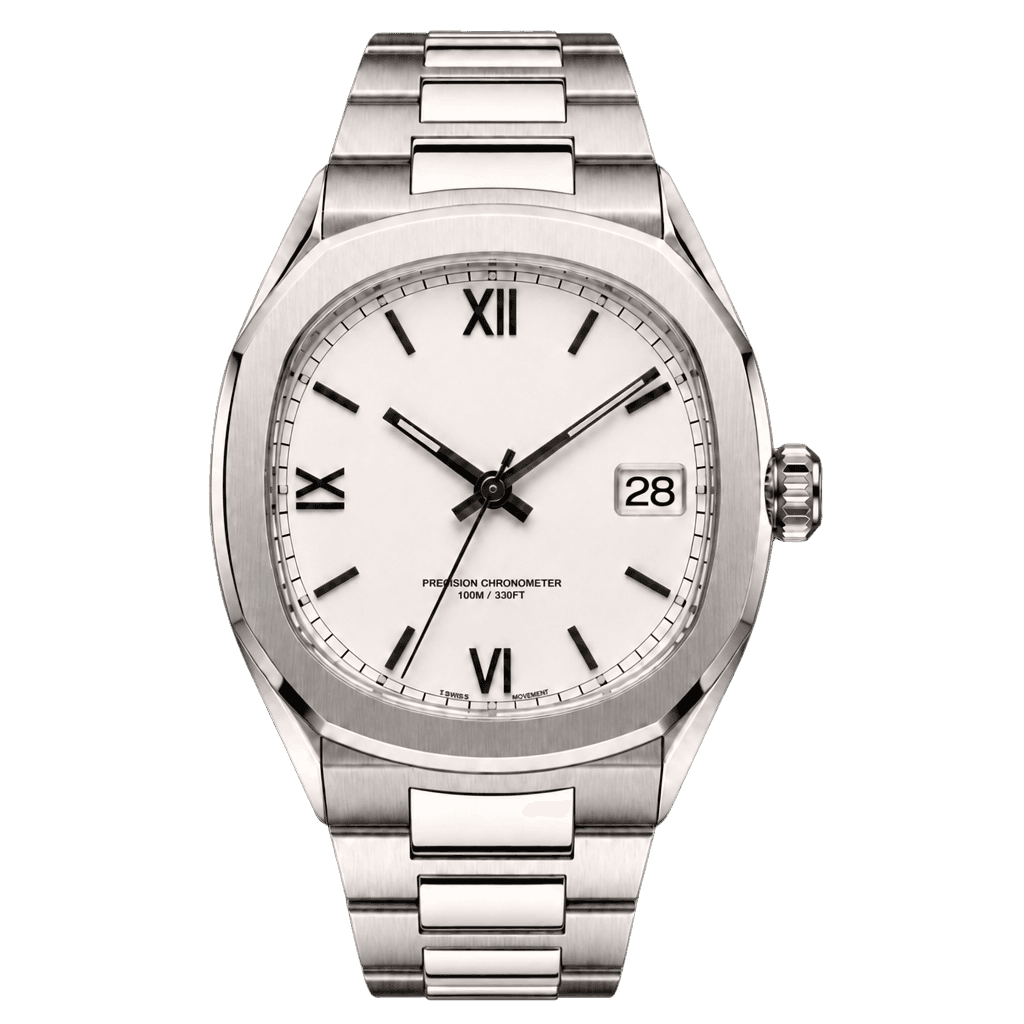

01/03 · Protect
Protect
your products
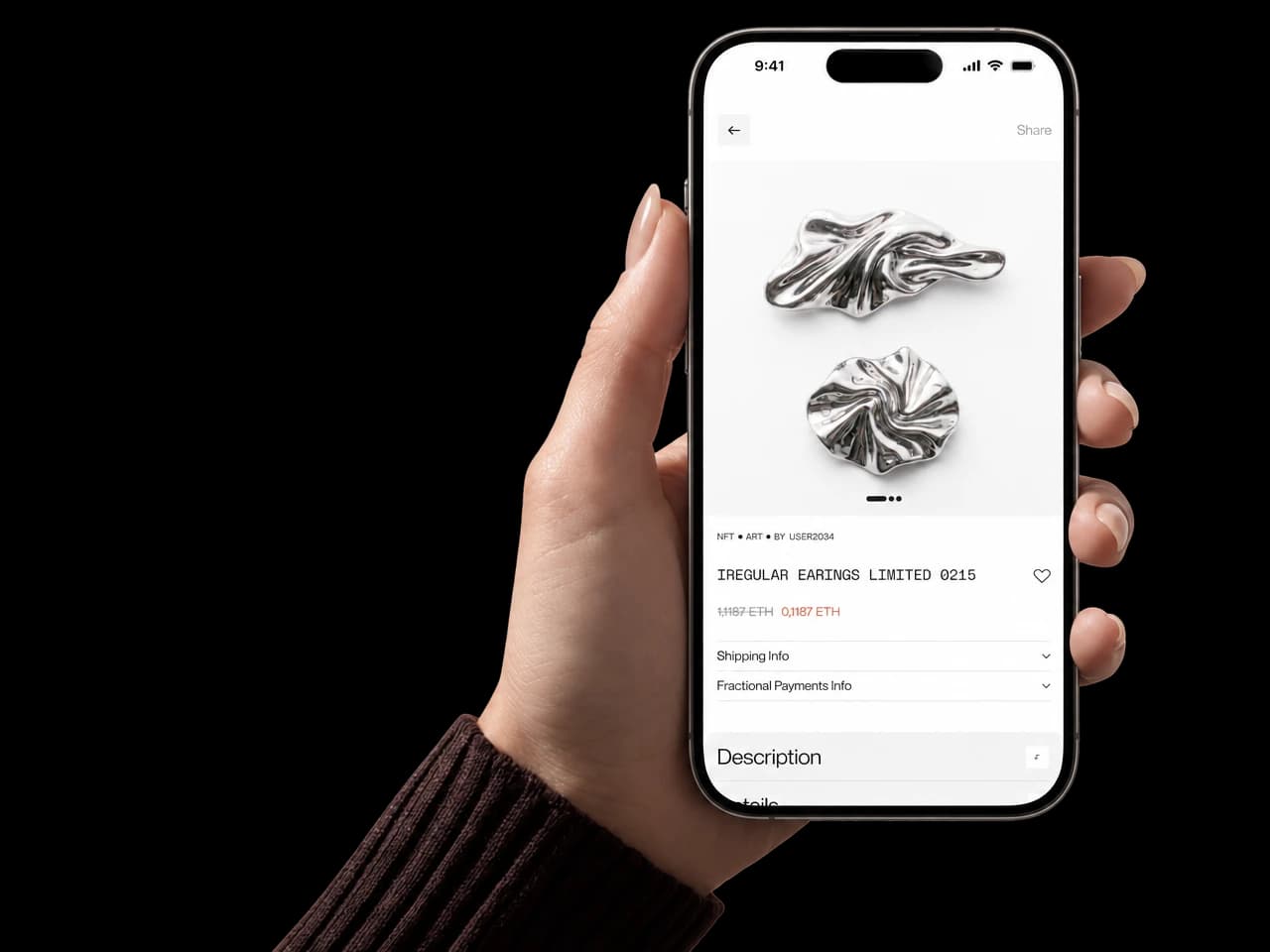
With Aurea, every unit leaves the factory able to prove it's genuine, with a single tap.
Anyone can verify your product's Certificate of Authenticity with just a tap of their phone, in seconds, with no apps or sign-ups.
It sits in our encrypted NFC chips, built on the same technology as contactless payments and impossible to clone or forge.Log where each product is verified once it leaves your facilities, so you spot parallel imports and grey markets.
The EU is making the Digital Product Passport mandatory, sector by sector. The same chip that proves the original opens its passport, and unlike a printed QR code, it can't be copied onto a fake.
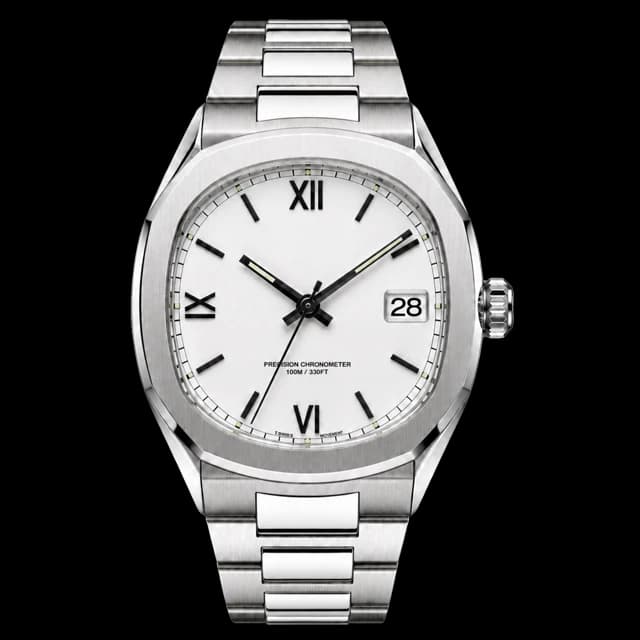
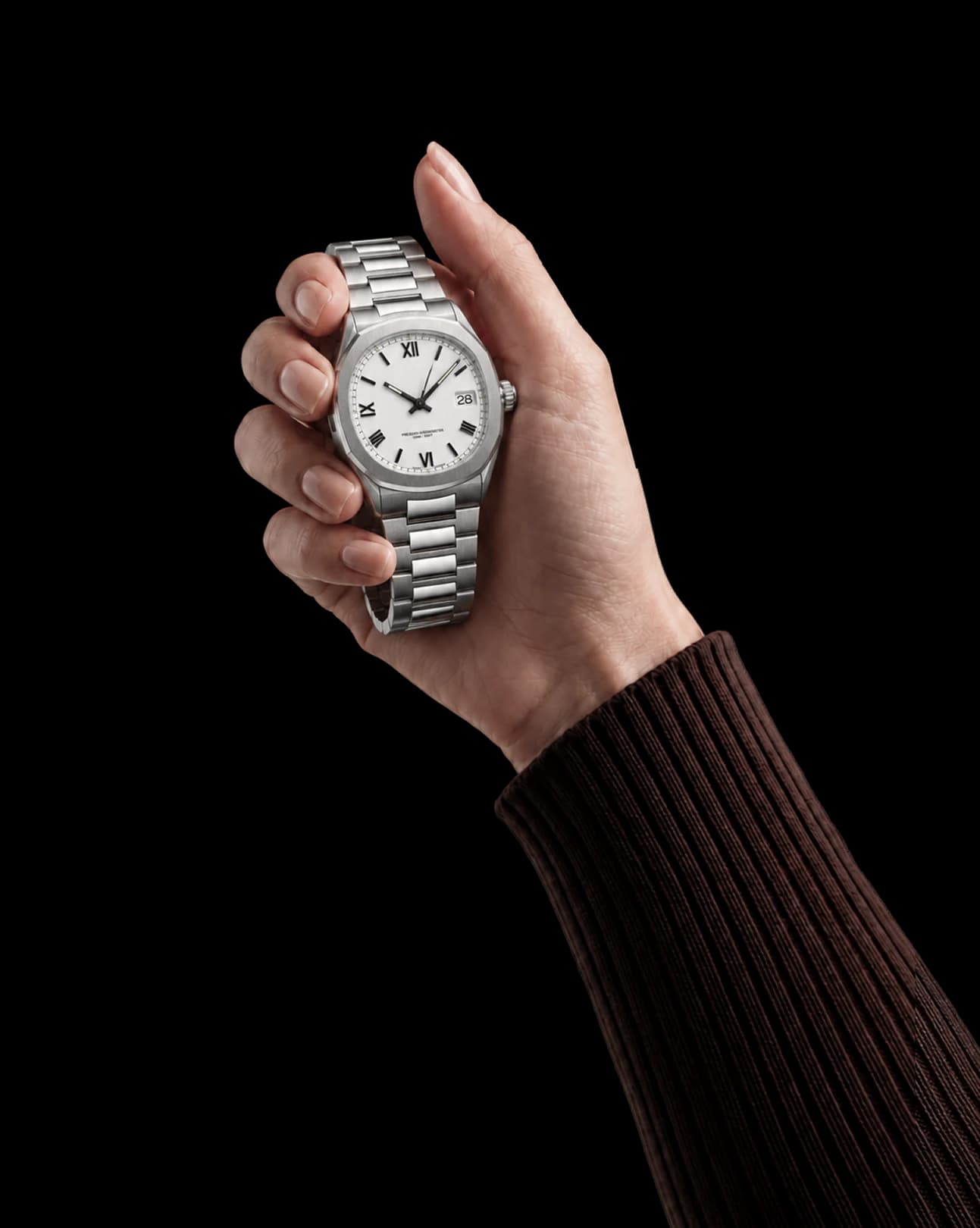
02/03 · Know
Know
every owner
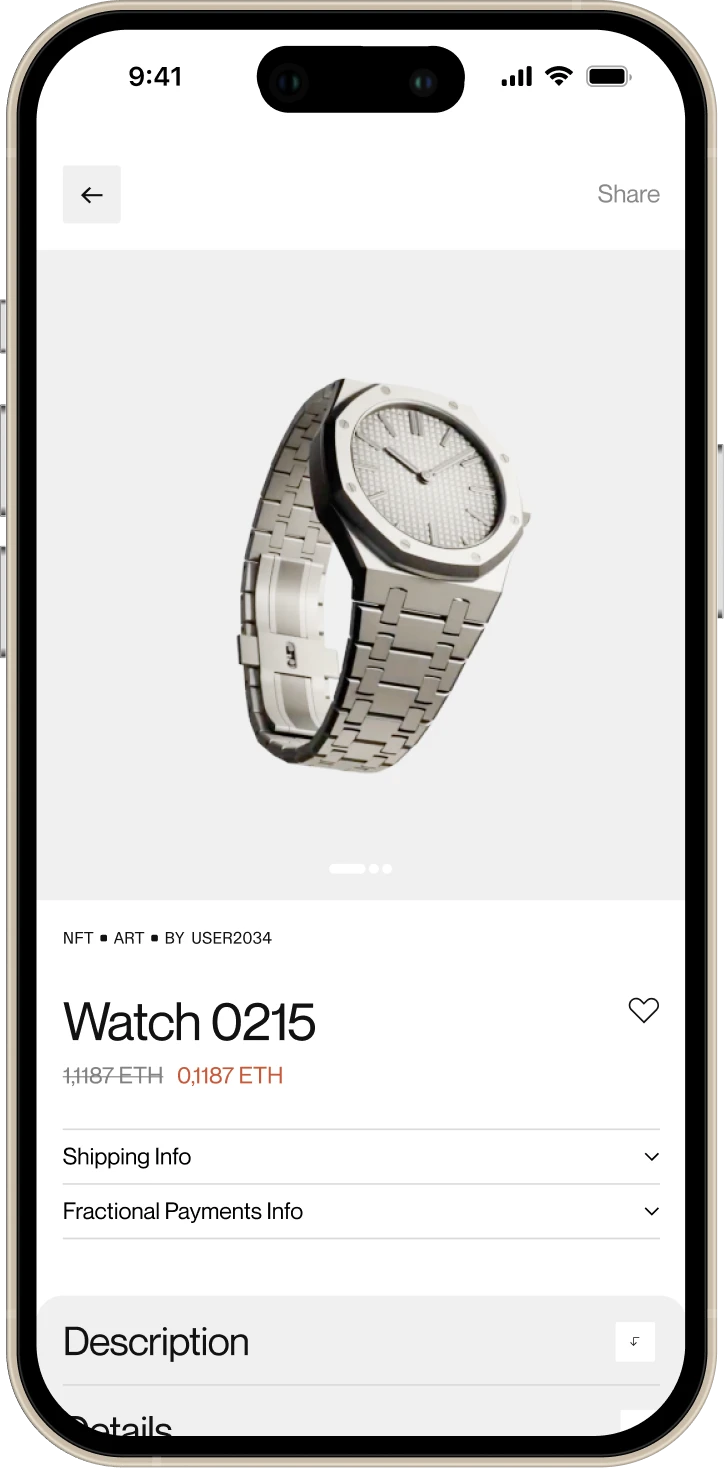
The certificate moves with the product, so you always know who has it.
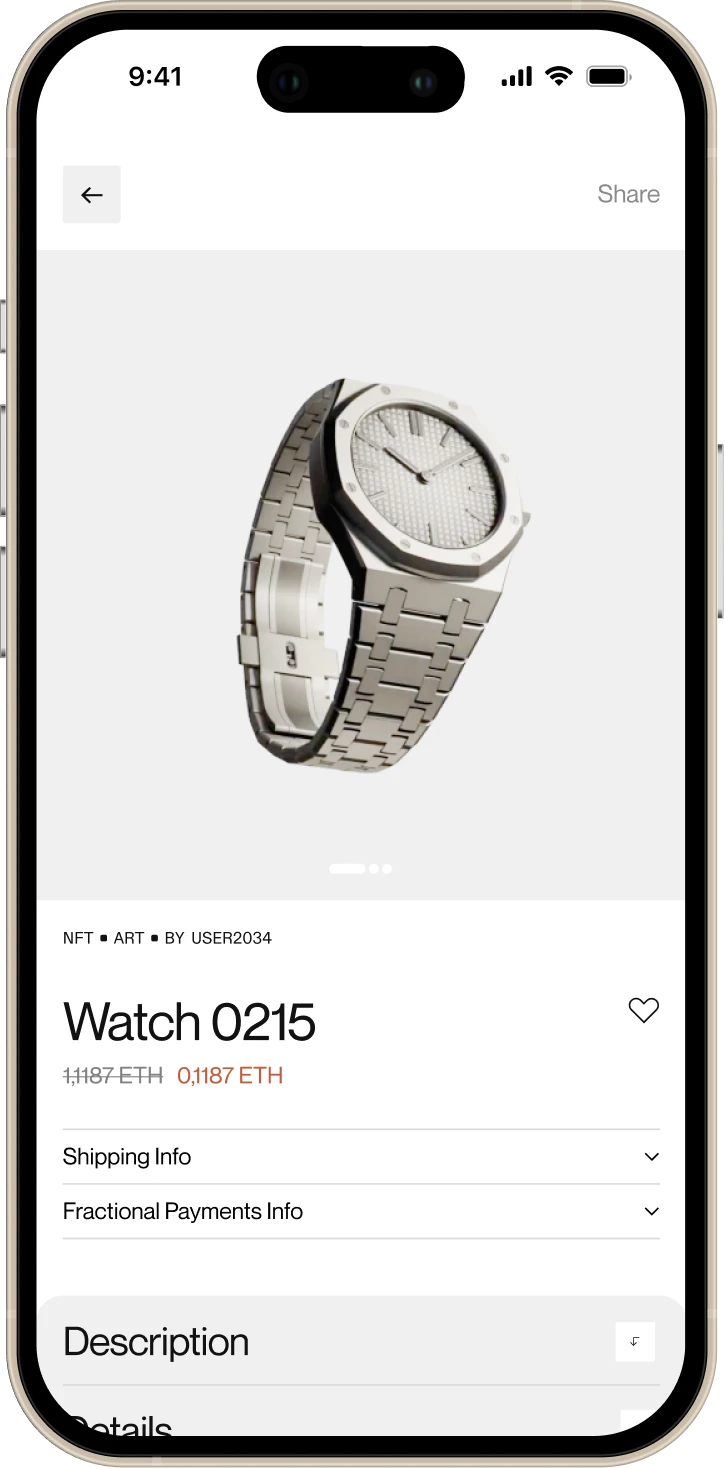
Sold online, the certificate arrives with the order confirmation email. Sold in a store or through a wholesaler, the buyer claims it with the first tap, with the warranty as the reason.
Either way, the buyer is registered with their product and warranty.Connected through our API, your website gains a My products section in the customer area, where the certificates live. When a product is resold or given away, ownership transfers from there in a few clicks.
Offer your customers to resell their pieces through your brand. The certificate passes to the new buyer with the product, so every resale arrives verified and the relationship stays with you.
03/03 · Engage
Engage
your clients
Once verified, the tap goes wherever you decide: access, content or services.
Early access to launches, events, tickets or giveaways, only for those who already chose your products. No app to install, no account to create, no ad to pay for. Just a tap.
The story behind the piece, care guides, behind the scenes or what's new. The chip stays the same, but what it opens changes as often as you want, so every tap can bring something new.
Check-ups, repairs and more are requested from the product itself. It identifies itself on the first tap, so there's no form to fill and no serial number to find.
use cases
The chip adapts to your product.
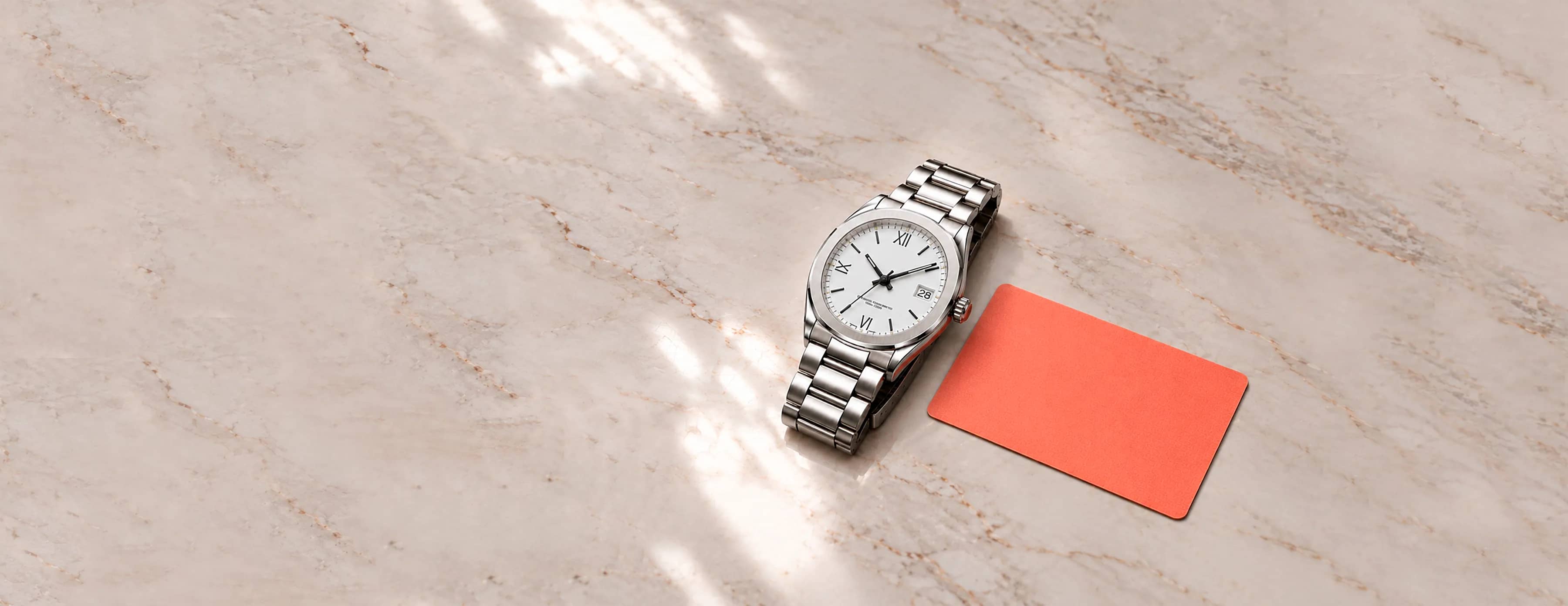
Embedded in the watch,
on a card, or both.
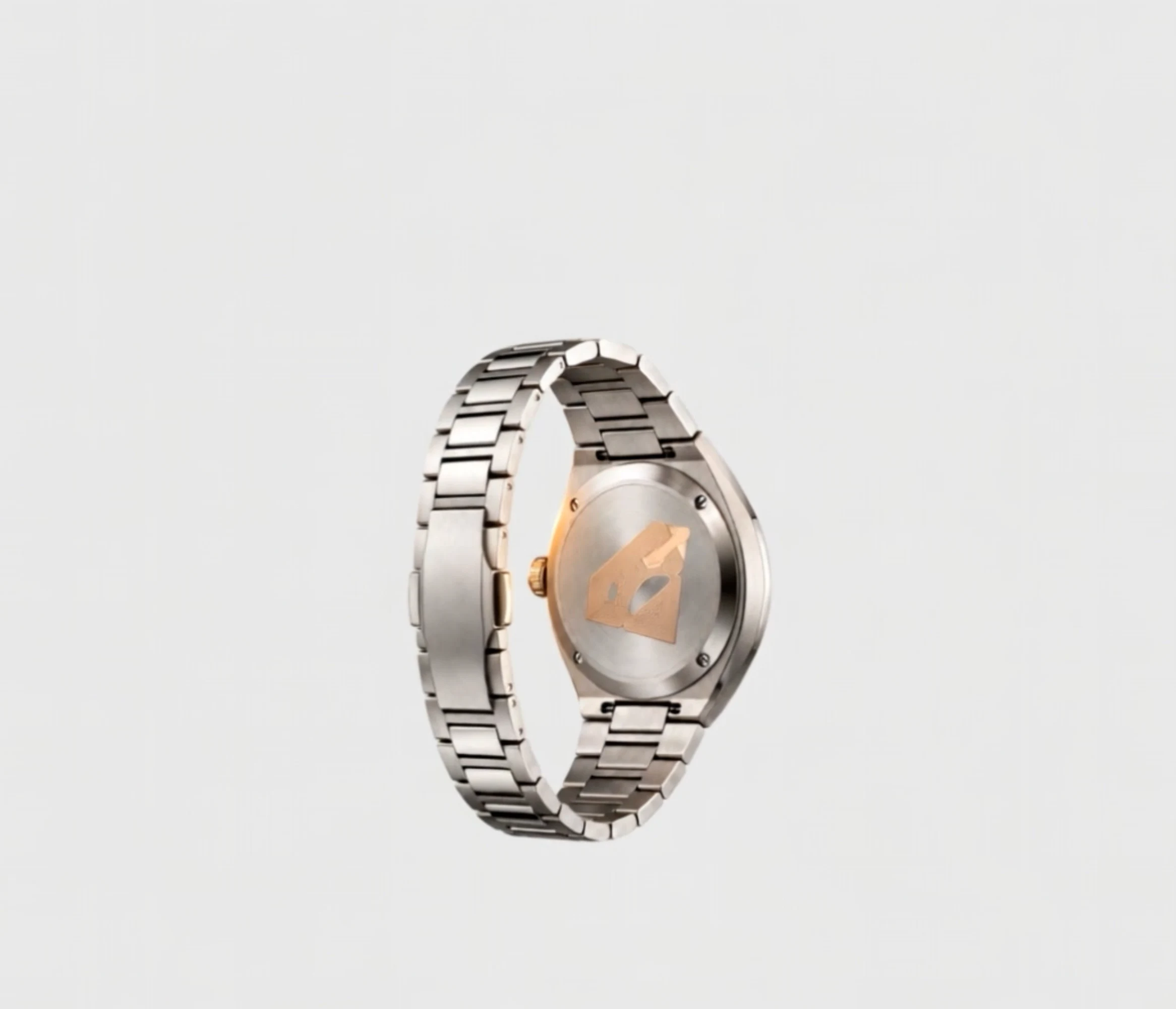
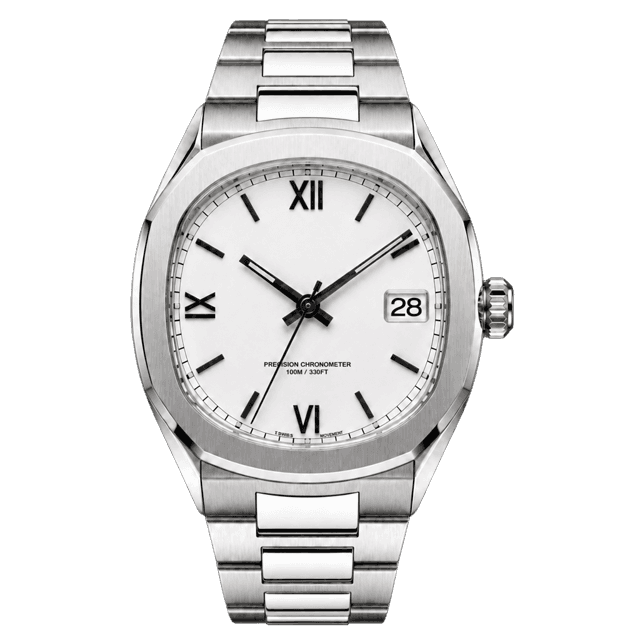
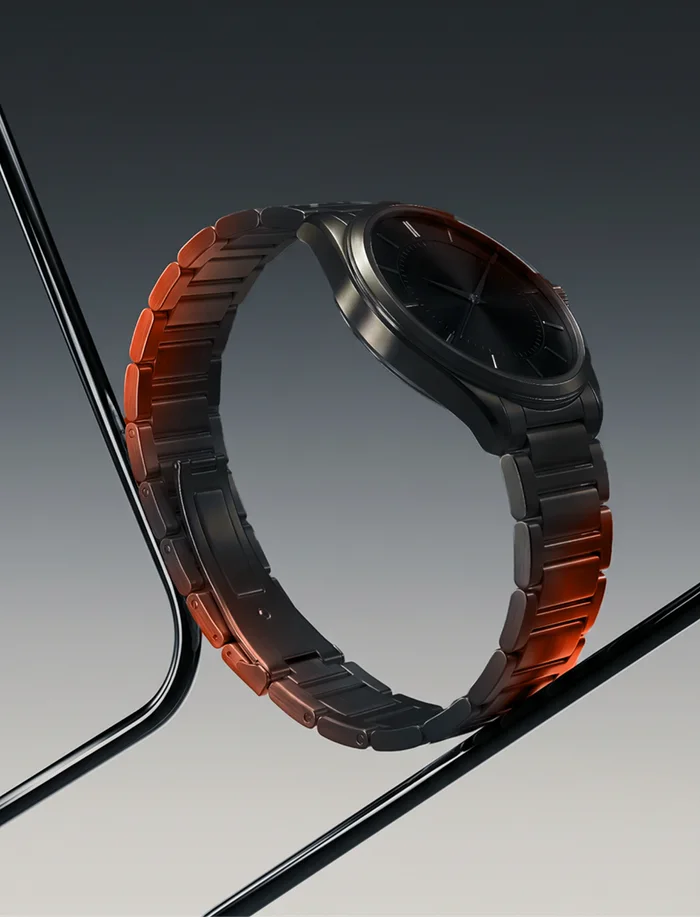
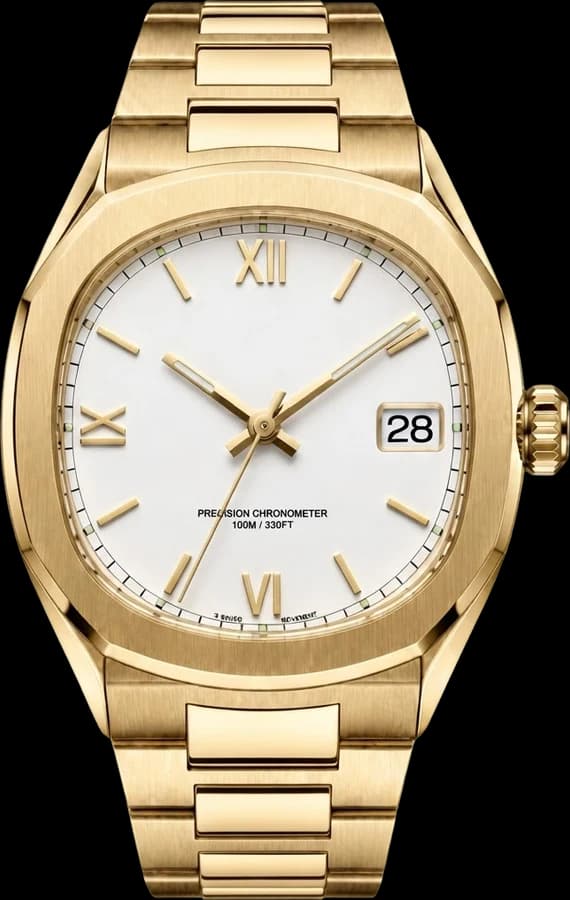
An NFC chip embedded beneath the crystal, read straight through it without altering the design.
The card carries its own chip, which opens the same certificate: it can go with the embedded chip or on its own, with no change to production.
Watches · Pocket watches · Table clocks
A certificate that
travels with the piece.
A card with an encrypted chip that cannot be cloned, opening the piece's certificate of authenticity with just a tap of the phone.
Where size allows, a chip just a few millimetres across can also be embedded in the jewel itself.
Rings · Necklaces · Bracelets · Earrings · Gemstones
In the garment,
built into the shoe.
A washable NFC label, customizable with your brand, sewn or sealed into the garment like any other label, with no change to your production process.
In footwear, the chip goes in the tongue or under the insole.
Apparel · Footwear · Sneakers
Embedded or sewn in
in every piece.
An NFC label customizable with your brand, embedded in the piece or sewn in like any other label, with no change to your production process.
Handbags · Wallets · Belts · Luggage
Embedded in the frame,
on a card, or both.
A chip just a few millimetres across, embedded in the frame, invisible and without changing the design.
The card carries its own chip, which opens the same certificate: it can go with the glasses or on its own, even for collections already produced.
Sunglasses · Optical glasses · Ski goggles · Sports eyewear
On the piece,
on a card, or both.
A tamper-proof NFC sticker on the base or the back, for smooth, rough or metal surfaces, or a chip embedded during manufacturing.
The card carries its own chip, which opens the same certificate.
Furniture · Lighting · Ceramics · Sculpture
On the case,
on a card, or both.
A tamper-proof NFC chip on the case or on the piece itself.
The card carries its own chip, which opens the same certificate: it goes with the piece, or on its own for the smallest ones.
Cards · Comics · Coins · Figures · Memorabilia
Don't see your product?
We'll design the integration with you.
We study your product, propose the best way to integrate the chip, customize it with your brand identity, and test it on real units before you scale.
- Textile Label
- Embeddable Chip
- Certificate Card
- Product Closures
- Tamper-Evident Sticker
- On-Metal Sticker


How it works
How NFC
anti-counterfeiting technology works
Define
We define the chip format, the verification page and the post-scan experience with your team.
Receive
We issue your certificates and send you the chips encoded and sorted, ready to apply.
Apply
Your factory applies them like any other label. No process changes.
Go live
Protect your products, know every owner and engage them with a single tap.
PILOT PROGRAM
Start with a no-risk pilot
Test AUREA with your products in a real-world scenario. We handle everything: chip encoding, integration support, and onboarding your team.
Measure the impact before scaling.
Metrics delivered
Scan rate
% of verified units over total distributed.
Registered authentications
Total number of successful NFC verifications.
Tampering attempts
Tamper alerts detected in the distribution chain.
Post-sale engagement
Clicks on exclusive content unlocked per scan.
Geographic coverage
Scan distribution by market and sales channel.
Timeline
Week 1
Onboarding
Kick-off with your team, verification experience design and chip configuration for your product.
Week 2
Integration
Hardware delivered to your plant. Your manufacturer integrates them like any other label. Functionality testing.
Weeks 3-12
In market
Your products go out protected. We collect scan data, engagement and activations.
Day 90
Results
Complete report with metrics, calculated ROI and scaling proposal. The data decides.
FAQs
A QR code is printed, so it can be photographed and copied onto a fake, and it opens the same link every time. The chip creates a new encrypted signature on every tap, so a copy fails verification. And it's read with the same phone, with no app.
It depends on the chip format, the volume and whether it's a pilot or a recurring order. We prepare a tailored quote after the first call.
You don't have to replace anything. Seals, holograms and serial numbers protect the product at the point of sale. The certificate adds what they can't: who owns each piece and every change of hands after it. The pilot runs alongside what you already have, on a single product line.
The card works like a garment's label: it's tied to the piece's serial number, so whoever separates it to pass it to a fake leaves the original with no way to prove it is one, which cuts its resale value. That's why no one has an interest in separating them. And where the size allows, the chip also goes inside the piece.
You do. Product, certificate and scan data belong to your brand, and what we handle on your behalf is processed under the GDPR. Owners decide what personal data they share when they register. Aurea never markets to your owners or shares them with other brands.

No. Verifying works in the phone's browser with a tap. To transfer the certificate on resale, the owner can do it from your brand's website, if you integrate it with our API, or from the Aurea app or web app.
Verifying takes one tap, with no app and no account. Registering is a second step, and people take it when there's a reason: your warranty, proof of ownership for resale or insurance, or what you offer after the tap. The pilot measures both rates on your products before you scale.
The buyer claims the certificate with the first tap, wherever they bought the product, with your warranty as the reason. Sold online, it arrives with the order confirmation email. Either way, the owner is registered with you.
No. The chip has no battery and no GPS: it only responds when a phone is held a few centimetres away. Each tap records the time, the approximate location from the device's IP address and the type of device, never who tapped. Personal data only exists if an owner registers, with their consent and under the GDPR.
No. The product authentication technology in each chip, an NTAG 424 DNA with AES-128 encryption, creates a new signature on every tap. A copied chip can't produce a valid one, so it fails verification. It's the same kind of security used in contactless payments.
Nothing in your process. Chips arrive encoded and sorted by reference, at your factory or your manufacturer's, and are applied like any other label or component. There's a textile label, an embeddable chip, a certificate card, a tamper-evident sticker for smooth or rough surfaces and an on-metal sticker.
A chip pulled off a product stops verifying, so it can't be moved to a fake. If a chip is damaged, the certificate isn't lost: your brand can link a new chip to it, and no one can replace it without your approval.
Yes. It's made of TPU, it's sewn in like any other label and it withstands washing.
Three reasons. The certificate has an owner: it passes from hand to hand with the product and records every sale and every service, so you know who has each piece. It works with any NFC phone, with no app or account, and the same chip verifies the product, opens its digital passport and connects you with its owner. And you can start with a single product line, without joining a consortium.
It covers the part that goes on the product. The regulation requires a data carrier that opens each product's passport, and an NFC chip is a valid one: unlike a printed QR, it can't be copied onto a fake. Requirements arrive sector by sector.
Sign Up to our Newsletter